3D Animal Illustration – Cute Bear: A Practical Guide for Choosing the Right Style
When you need a friendly, approachable visual for a brand, app, children's product, or marketing campaign, a 3D animal illustration featuring a cute bear often comes to mind. The combination of a universally loved animal with the depth and versatility of 3D rendering creates a compelling option. But as you weigh your choices, it's worth understanding exactly what this style offers, how it compares to other visual approaches, and when it might—or might not—be the best fit for your project.
What Is 3D Animal Illustration – Cute Bear?
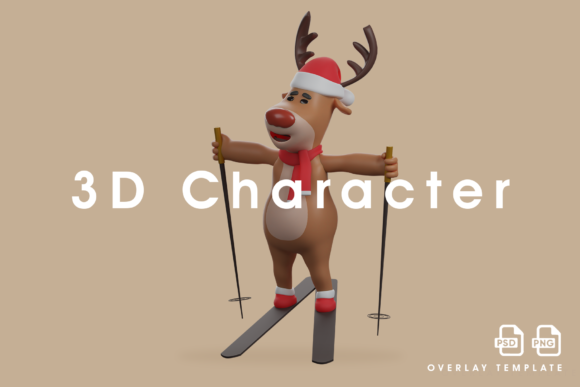
A 3D animal illustration of a cute bear is a digitally rendered three-dimensional artwork that emphasizes soft shapes, warm colors, and an endearing expression. Unlike hyper-realistic 3D models, these illustrations lean into stylistic simplification: large heads, rounded bodies, big eyes, and minimal texture detail. The goal is to evoke warmth and trust without sacrificing the dimensional quality that makes 3D stand out.
This style sits at the intersection of illustration and 3D modeling. It borrows from character design principles used in animation and video games, but is optimized for still images or short animated loops. The bear is typically depicted in a neutral or joyful pose, making it versatile for everything from educational apps to eco-friendly product packaging.
Key Distinguishing Features
- Soft, stylized geometry – Edges are smoothed, and proportions are exaggerated for cuteness.
- Pleasant lighting and shading – Global illumination or studio lighting creates a polished, professional look.
- Minimal but intentional detail – Fur is suggested through shaders rather than individual strands, keeping render times manageable.
- Color palette inspired by nature or fantasy – Browns, creams, pastels, and occasional accent colors keep the bear recognizable yet unique.
How This Style Compares with Common Alternatives
To decide whether a cute bear 3D illustration is right for you, it helps to see it alongside other options you might be considering. Each visual approach has strengths and tradeoffs depending on your project's goals, budget, and audience.
2D Vector Illustration
Flat 2D illustrations of cute bears are often cheaper and faster to produce. They scale effortlessly and work well in responsive web design. However, they lack the depth and realism that 3D provides. If your brand wants to convey a sense of tangibility or modern sophistication, a 3D bear illustration can feel more substantial. On the other hand, if you need a quick turnaround or plan to use the bear across many formats without retouching, 2D might be more practical.
Realistic 3D Animal Models
Hyper-realistic 3D bears are used in scientific visualizations, high-end animation, or serious gaming. They require extensive modeling, texturing, and rigging, which drives up cost and render time. A cute 3D bear illustration deliberately avoids photorealism to stay approachable. If your audience is children or general consumers seeking comfort, the stylized version wins. But if you need anatomical accuracy or a serious tone, realistic 3D is the better path.
Low-Poly or Geometric 3D
Low-poly bears have a trendy, geometric look that appeals to tech-forward or minimalist brands. They are easier to model but can feel cold or abstract. The cute bear illustration style uses higher polygon counts where needed (like the face) to maintain warmth. For a rustic or artsy brand, low-poly might be memorable. For a family-oriented or health-related product, the soft 3D style feels more nurturing.
Other Cute 3D Animals
If you're comparing a bear to other cute 3D creatures—like foxes, sloths, or pandas—the choice often comes down to symbolism. Bears universally represent strength, protection, and comfort. A 3D cute bear illustration can tap into that instantly. A panda might convey playfulness, while a fox suggests cleverness. Consider what emotional association you want to trigger before settling on the animal.
Strengths of the Cute Bear 3D Illustration Style
Understanding why this format works well can help you identify projects where it will thrive.
- High emotional appeal – The exaggerated cuteness factor builds trust quickly, especially for goods aimed at parents or young children.
- Memorable and distinctive – In a sea of flat illustrations, a well-rendered 3D bear stands out on social media, websites, and packaging.
- Flexible for animation – The 3D model can be turned into short loops, product demos, or app mascots with relative ease.
- Works across multiple touchpoints – From a hero image on a landing page to a plush toy prototype, the same model can be adapted.
Tradeoffs and Limitations
No style is perfect. Evaluating the downsides of a 3D animal illustration – cute bear ensures you don't overcommit to a format that won't serve all your needs.
Production Cost and Time
Creating a high-quality 3D bear illustration typically costs more than a 2D vector version. You need a skilled 3D artist, software like Blender or Cinema 4D, and render time. If your budget is tight or your timeline is short, this might not be the most efficient route. Many studios charge a premium for rigging and facial expressions, which are often needed to make the bear truly "cute."
Rendering for Different Contexts
A single 3D render may look perfect in one lighting setup but need adjustments for another. If you plan to place the bear into various backgrounds (daylight, night, indoor scenes), you may need multiple renders or compositing work. This adds complexity compared to a flat illustration that you can drop anywhere.
Risk of Feeling Generic
Because cute 3D animals are popular, you run the risk of blending in with other brands using similar styles. To stand out, your bear needs distinctive design choices—a unique color combination, an unusual accessory, or a specific pose. Without that differentiation, the illustration might be pleasant but forgettable.
Scalability for Tiny Sizes
3D renders with subtle shading can become muddy or unreadable when shrunk down for app icons, favicons, or small thumbnails. In contrast, a simple 2D silhouette remains crisp. If your bear will appear mainly in large formats (website headers, product boxes, video), 3D works beautifully. For exclusive use in tiny spaces, reconsider.
When to Choose the Cute Bear 3D Illustration
Based on the strengths and tradeoffs, certain scenarios are ideal for this style.
- You need a mascot for a family-friendly brand – Insurance companies, toy retailers, or children's educational platforms benefit from the reassuring presence of a cute bear.
- Your product or service focuses on comfort or safety – Think bedding, health supplements, or parenting apps. The bear embodies a nurturing feeling.
- You want to create animated content – If your strategy includes short videos, GIFs, or interactive elements, having a 3D model ready can save production time later.
- Your audience is young adults who appreciate polished design – Even twenty- and thirty-somethings respond to high-quality 3D illustration if it's executed with taste and subtlety.
When to Look for an Alternative
Conversely, several situations suggest a different approach might serve you better.
- Extremely tight budget or timeline – Commissioning a custom 3D bear from scratch may not be feasible. Consider 2D illustration or a stock 3D asset with simple modifications.
- Need for extreme scalability – If your bear will appear both on a billboard and as a 16x16 pixel icon, a flat design with strong outlines is safer.
- Desire for a raw or handcrafted look – The polished nature of 3D can feel too corporate. Watercolor, sketch-like, or collage styles convey authenticity differently.
- Targeting a sophisticated luxury audience – A cute bear might undermine a premium brand image. A minimal line-art bear or a realistic profile could be more appropriate.
Decision Factors to Evaluate
Before committing to a 3D animal illustration – cute bear, think through these practical factors:
- Primary use cases – List where the illustration will appear: website, print, social media, animation, merchandise. This clarifies technical requirements.
- Brand personality – Does your brand voice lean warm and playful, or serious and professional? The cute 3D style aligns with the former.
- Competitive landscape – Search for similar brands in your industry. If many use cute 3D animals, either differentiate or choose a different style to stand out.
- Budget for revisions – 3D adjustments (changing poses, expressions, lighting) take longer than 2D tweaks. Ensure you have room in your budget for iteration.
- Longevity – Trends in illustration shift. 3D styles popular now may feel dated in a few years. Timeless design elements (proportions, color choices) can help future-proof your asset.
Realistic Examples in Action
Consider a hypothetical children's book app. The developers choose a 3D cute bear illustration as the main character. The bear appears on the app icon, in onboarding screens, and as a talking guide. The dimensional look helps the bear feel "real" to young users, building engagement. However, because the app icon is small, the designers simplify the render—larger eyes, less shading—to improve legibility. This adaptation shows how the style can be tailored.
Now imagine a startup creating an environmentally friendly cleaning product. They want a mascot that suggests safety and gentleness. A cute 3D bear is a strong candidate. But they also want to emphasize natural ingredients. The artist adds a leaf-shaped spot on the bear's chest and uses a mossy green tone for the eyes. This small differentiation prevents the bear from looking like generic stock art.
On the other hand, a high-tech financial planning app might avoid the cute 3D bear altogether. Their audience expects competence and seriousness. A simple 2D geometric bear, or even a non-animal icon, would better convey trust in that context.
Final Thoughts on Making the Right Choice
The 3D animal illustration – cute bear is a powerful visual tool when applied thoughtfully. It excels at building emotional connections, standing out in digital spaces, and working across media. But it also requires a realistic assessment of your budget, timeline, and brand positioning. By comparing it openly with alternatives like flat 2D, realistic 3D, or low-poly styles, you can decide whether the investment aligns with your goals. If you do go ahead, invest in unique design details that make your bear unmistakably yours—that'll be the difference between a cute illustration and a truly effective brand asset.