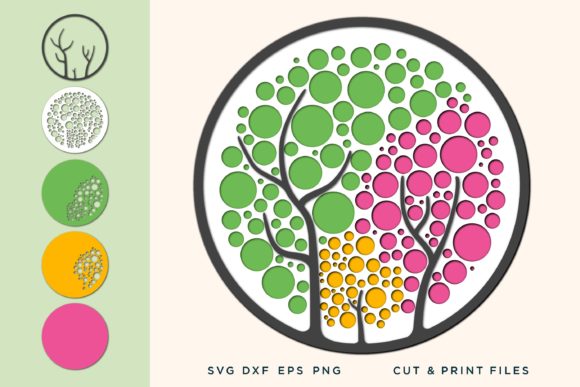
Transform Your Space with 3D Layered Tree Wall Art: Depth, Nature, and Craftsmanship
Imagine stepping into a room where a tree seems to grow right out of the wall—not as a flat image, but as a sculpture with real depth, shadows that shift with the light, and layers that draw your eye into a tiny forest. This is the magic of 3D wall art featuring layered trees, a design trend that has moved from niche galleries into living rooms, offices, and commercial spaces around the world. Whether you are a homeowner seeking a conversation piece, a designer looking for texture, or someone simply curious about how art can shape a room, understanding the world of layered tree wall art opens up a new way of thinking about decor.
At its core, 3D layered tree wall art is an assembly of multiple cut-out panels—typically wood, MDF, acrylic, or metal—stacked one in front of another to create a sense of depth, perspective, and three-dimensional form. Each layer represents a different plane of the scene: the background sky, the distant foliage, the trunk, and the foreground branches or leaves. When viewed straight on, the piece appears almost like a painting; but as you move across the room, the layers separate, shadows deepen, and the tree seems to come alive. This interaction between light, shadow, and perspective is what sets layered tree art apart from traditional wall decor.
The Art and Engineering Behind Layered Tree Wall Art
Creating a high-quality 3D layered tree piece is a blend of artistic vision and precision engineering. Artists or manufacturers begin with a digital design—often inspired by real tree species like the Japanese maple, oak, birch, or a stylized abstract tree. The design is then separated into distinct depth planes, typically ranging from three to ten layers. Each layer is cut using a laser cutter, CNC router, or by hand, depending on the material and desired finish.
The layers are spaced apart using small spacers or a shadow-box frame, which creates the physical gap that allows light to pass between them. This spacing is critical: too little, and the piece looks flat; too much, and the layers lose visual cohesion. The result is a piece of wall art that changes character throughout the day as natural light shifts or as artificial lighting highlights certain segments. Some premium pieces incorporate backlighting with LED strips, making the tree appear to glow from within—an especially dramatic effect in dimly lit rooms.
Common Materials and Their Impact on Style
- Wood (birch ply, oak, walnut): Offers warmth, natural grain, and an organic feel. Ideal for rustic, Scandinavian, or mid-century modern interiors. The wood grain sometimes aligns with the tree’s natural lines, reinforcing the subject.
- MDF (medium-density fiberboard): Smooth, affordable, and easy to paint. Many layered tree pieces use painted MDF in neutral tones, allowing the shape and shadow to do the work.
- Acrylic or clear plexiglass: Creates a floating, almost ghostly effect. Acrylic layers can be tinted or frosted, and they work exceptionally well with backlighting.
- Metal (aluminum or steel): Delivers a modern, industrial aesthetic. Metal layers are often powder-coated in matte black, white, or copper, and they cast very sharp, defined shadows.
- Paper or cardstock: Found in smaller, affordable pieces or DIY kits. Paper layers are delicate but can achieve remarkable intricacy.
The choice of material directly affects the tone and suitability of the art for a given space. A rustic birch forest scene carved from natural wood fits a cabin or farmhouse, while a sleek black metal tree suits a minimalist city loft.
Why Layered Tree Art Resonates So Strongly
There is something deeply instinctive about our connection to trees. They symbolize growth, stability, life, and shelter. But beyond symbolism, layered tree art satisfies a visual need that flat art often leaves unmet: tactile curiosity. Even though we are not supposed to touch the art, the visible layers invite the eye to explore depth, and the brain automatically tries to understand the space between each cut. This engagement keeps a viewer looking longer, making the piece memorable.
From a design psychology standpoint, 3D wall art helps break up large, flat wall surfaces. In modern open-plan homes where walls are often painted in neutral colors, a layered tree piece becomes a focal point that adds dimension without cluttering the room. It can also soften the hard lines of contemporary furniture. A horizontal branch spread, for example, can echo the line of a sofa or a headboard, creating visual harmony.
Practical Benefits Beyond Aesthetics
- Acoustic improvement: Many layered wood pieces, especially those with thick layers and an open back, act as mild sound diffusers, breaking up echo in a room more effectively than a flat canvas.
- Light play: The changing shadows add a dynamic element to an otherwise static wall. You essentially get a piece of art that evolves throughout the day.
- Customizability: Because the design is digital at its core, artists can easily resize, recolor, or even modify the tree shape to resemble a specific species or to fit an oddly shaped wall.
- Conversation starter: Guests are naturally drawn to the dimensional effect and often ask how it was made, giving you an easy entry point to discuss the craftsmanship.
How to Choose the Right Layered Tree Art for Your Space
Selecting a piece of 3D tree wall art is not just about liking the tree shape. Consider the following factors to ensure the art complements your room rather than overwhelming it:
Scale and Proportion
A large, sprawling tree with many branches can make a small room feel enclosed, while a tiny layered tree on a vast wall will look like a sample. As a rule of thumb, the width of the art should be about two-thirds the width of the wall you plan to hang it on, or the height should fill roughly 60% of the available vertical space. For stairwells or tall entryways, vertical trees (like a tall birch or pine) work beautifully. For above a sofa or bed, horizontal canopy spreads are better.
Color and Finish
Most layered tree art comes in natural wood tones, white, black, or metallic finishes. If your room already has a lot of wood furniture, consider a painted piece to avoid clashing grain patterns. If your room is mostly neutral, a natural wood piece adds warmth. Backlit pieces work best in darker rooms or hallways where the glow can be appreciated.
Depth and Shadow Effect
Ask about the spacing between layers. Some pieces are quite deep (3–5 inches / 7.5–12.5 cm) which creates dramatic shadows but may protrude too far into a narrow hallway. Others are just 0.5–1 inch deep, offering a subtle relief effect. For most living spaces, a depth of 1.5–2 inches provides a nice balance between visibility and subtlety.
Displaying Your Layered Tree Art: Placement and Lighting Tips
The full beauty of 3D layered tree wall art is unlocked through thoughtful placement and lighting. Because the piece depends on shadows to create its depth, where you hang it relative to light sources matters enormously.
Best locations:
- On a wall that receives natural sunlight from a side window (angled light creates the strongest shadow contrast).
- Above a console table with a directed spotlight or picture light aimed at the art.
- In an entryway or corridor where people walk past it, allowing the perspective to shift as they move.
Lighting strategies:
- Overhead lighting is generally the least flattering, as it casts shadows straight down and flattens the layers.
- Wall-mounted picture lights that shine at a 30–45 degree angle from above are ideal.
- Track lighting with adjustable heads lets you fine-tune the direction.
- For backlit pieces, use a dimmer to control the intensity, especially in bedrooms where you may want a softer glow at night.
Common Misunderstandings About 3D Tree Wall Art
Despite growing popularity, a few myths persist. Let’s clear them up:
“It’s just for nature lovers or rustic homes.” Not at all. Abstract layered tree designs in monochrome or metal finishes fit perfectly in modern, industrial, or even minimalist spaces. The tree motif is versatile enough to transcend any single style.
“It’s hard to clean.” Actually, most layered tree art is low maintenance. A quick dusting with a soft brush attachment on a vacuum or a gentle wipe with a microfiber cloth (for sealed wood or painted surfaces) is all that’s needed. Avoid liquid cleaners that can seep between layers.
“Layered art is fragile.” While delicate paper pieces exist, most wood and MDF layers are surprisingly robust. The key is proper mounting. Ensure the piece is anchored into wall studs or uses heavy-duty wall anchors, as layered art can be heavier than it looks, especially with larger designs and multiple wood layers.
Custom and DIY Options: Making It Your Own
One of the most exciting developments in this space is the rise of custom layered tree art. Many small businesses and Etsy creators will take a photo of your favorite tree or a sketch of a family tree and turn it into a layered design. This makes for an incredibly personal gift—a memorial tree for a loved one, a representation of the tree in your childhood backyard, or the silhouette of a tree from your wedding venue.
For the hands-on reader, DIY layered tree art kits are widely available. These come with pre-cut layers, spacers, and a simple frame. You assemble, sand, and finish the piece yourself. It’s a rewarding weekend project that gives you a custom result at a fraction of the cost. Some advanced crafters even design their own files and use a local makerspace’s laser cutter to create truly original work.
The Future of Layered Wall Art
As digital fabrication tools become more accessible, 3D layered tree art is evolving. We are already seeing integration with smart home features: backlit pieces that change color via app control, or modular systems where you can rearrange the layers to create different tree shapes seasonally. Some artists are experimenting with mixed media—adding preserved moss, metal leaf, or resin to the layers for even more texture.
The broader trend toward biophilic design, which seeks to connect interior spaces with nature, ensures that tree-themed art will remain relevant for years to come. In a world where we spend most of our time indoors, bringing a tangible piece of nature onto the wall is more than decoration—it is a small daily reminder of the outdoors, crafted with depth and intention.
Final Thoughts
3D layered tree wall art occupies a unique intersection of sculpture, craft, and interior design. It offers the storytelling of a tree without needing a canvas, the shadow play of a sculpture without dominating the room, and the warmth of nature without requiring watering or sunlight. Whether you are drawn to a sprawling layered oak for your living room, a delicate cherry blossom tree for a bedroom, or a sleek metallic tree for an office lobby, this art form rewards attention. It asks you to walk past it, to notice how the light falls, and to appreciate that a flat wall can hold something far deeper than paint.
If you have not yet considered layered art for your walls, let this be your invitation. Look at the empty wall in your home not as a surface to cover, but as a space to fill with depth, shadow, and the timeless shape of a tree. You might be surprised at how much a few carefully arranged layers can transform not just the room, but the way you feel when you enter it.